

Blinds Keep Sliding Down? 5 Easy Fixes for Perfect Fit Blinds
Are your window blinds constantly slipping, leaving your room exposed or ruining the perfect look you worked so hard to create? If blinds won’t stay up no matter how many times you adjust them, you’re not alone. Many homeowners face this common issue due to worn-out tension mechanisms, frayed cords, or simple blinds installation problems. Brands like Lux Blinds offer high-quality window treatments designed to minimize these frustrations, but even the best blinds may need occasional adjustments. Fortunately, there are effective ways to solve this problem, from simple DIY blinds repair tricks to professional solutions. In this guide, we’ll explore why your blinds keep sliding down and share five practical fixes to achieve a perfect fit for your window blinds.
Why Do Blinds Keep Sliding Down?
If your blinds keep sliding down, it’s often caused by issues with the tension mechanism, cords, or improper installation. Many window blinds rely on spring systems or cord locks to stay in place, and when these components wear out or become misaligned, the blinds won’t stay up properly. Environmental factors such as humidity, temperature changes, or exposure to sunlight can also affect the material, causing blinds to slip or lose their tension. Understanding the common window treatment problems is key to applying the right fix.
Worn-Out Tension Mechanisms
A common reason for blinds sliding down is a weakened tension mechanism. To understand this issue, it helps to have a clear idea of blinds and shades and the different mechanisms they use. For example, Roller blinds and Roman blinds often use internal springs to hold the blind at a set height, and over time, these springs can lose strength. When the tension decreases, the blinds won’t stay up properly, making frequent adjustments necessary. Checking the spring and performing a window blinds adjustment can restore proper function and prevent slipping.
Damaged Cords or Chains
Another common reason your blinds keep sliding down is damaged or worn cords. To understand this, it helps to know how cord and cordless blind systems function to hold the blinds in place. Over time, cords or chains can stretch, fray, or lose their locking ability, causing the blinds not to stay up properly. If ignored, worn cords can lead to uneven tension, excessive strain on the blinds’ mechanism, and even complete failure of the cord system, which may affect the overall functionality and appearance of the window treatment.
Incorrect Installation
Sometimes blinds slide down simply because they weren’t installed correctly. To understand this, it helps to know the basics of blind installation problems. Improper alignment of brackets, uneven mounting, or not securing the blind properly can cause uneven tension and slipping. Over time, this can put extra strain on the cords, springs, or mounting hardware, which may lead to blinds not staying up properly, premature wear, or even damage to the window frame. Left unchecked, poorly installed blinds can compromise both functionality and appearance, making adjustments increasingly difficult.
Heavy Blinds
Blinds that are too heavy for their mounting or mechanism can also cause issues with staying in place. The correct blinds adjustment for small spaces is essential, as the weight of the blinds directly affects tension and overall support. Heavy blinds put extra stress on cords, springs, and brackets, which can lead to blinds sliding down or uneven movement. Over time, this strain may cause permanent damage to the tension mechanism or brackets, reducing the lifespan of the blinds and making them increasingly difficult to operate.
Environmental Factors
Fluctuations in temperature, humidity, or direct sunlight can cause blinds sliding down. Materials like wood, faux wood, or fabric may expand, contract, or warp under changing conditions, affecting the insulating blinds for wintertime performance and causing the blinds not to stay up properly. Over time, these environmental effects can result in uneven operation, added strain on cords and tension mechanisms, and even permanent deformation, making the blinds less functional and harder to manage.
5 Easy Fixes for Blinds That Keep Falling
Once you understand why your blinds keep sliding down, the next step is learning how to address these issues. Many common problems can be resolved with simple adjustments or minor repairs, allowing your window blinds to function smoothly and maintain a perfect fit. The following fixes focus on restoring tension, correcting installation issues, and ensuring that your blinds won’t stay up improperly.
1. Adjust the Blinds Tension Mechanism
If a weakened tension mechanism is causing your blinds to slide, adjusting it can help restore proper function. Different types of blinds, such as roller or Roman blinds, rely on internal springs or tension systems to hold them in place. Over time, these springs may loosen, causing the blinds not to stay up properly. Key points to consider when adjusting the tension include:
- Identify the type of spring or tension system your blinds use.
- Rotate or tighten the spring carefully to increase resistance.
- Check that the blind stops evenly and doesn’t slip when raised.
- Avoid over-tightening, which can strain the mechanism.
Performing a proper window blinds adjustment ensures your blinds remain secure, smooth, and functional.
2. Fix or Replace Damaged Blinds Cords
Damaged or worn cords are a common reason your blinds won’t stay up properly. Understanding blinds cord systems helps identify where the issue occurs and whether replacement or adjustment is needed. Key steps to address cord problems include:
- Inspect cords or chains for fraying, stretching, or breakage.
- Ensure the cord lock engages fully when the blinds are raised.
- Replace damaged cords with the correct type for your blinds.
- For cordless blinds, check the tension clips or locking mechanism for wear.
By keeping the cords in proper condition, you prevent uneven tension and ensure your blinds stay up properly for long-term use.
3. Tighten or Reposition Brackets
Improperly secured or misaligned brackets can cause your blinds to slide down and affect overall functionality. Key points to consider include:
- Check that all brackets are firmly screwed into the wall or window frame.
- Ensure brackets are level and properly aligned to avoid uneven tension.
- Reposition brackets if the blinds are not sitting flush against the window.
- Inspect for any damaged hardware that may need replacement.
Properly secured brackets help maintain even tension and ensure your blinds won’t stay up improperly or slip over time.
4. Add Friction with DIY Hacks
Sometimes blinds slide down because the tension is slightly off, or the components have worn slightly. Small adjustments can add friction and improve stability. Key DIY methods include:
- Insert small rubber pads or silicone pieces behind the brackets to increase grip.
- Apply a tiny amount of wax or lubricant to the roller tube to smooth movement without slipping.
- Use clip-on stops for corded blinds to prevent downward drift.
- Check that added friction does not strain the mechanism or cause uneven operation.
These simple tweaks can reduce slipping and help your blinds stay up properly without major repairs.
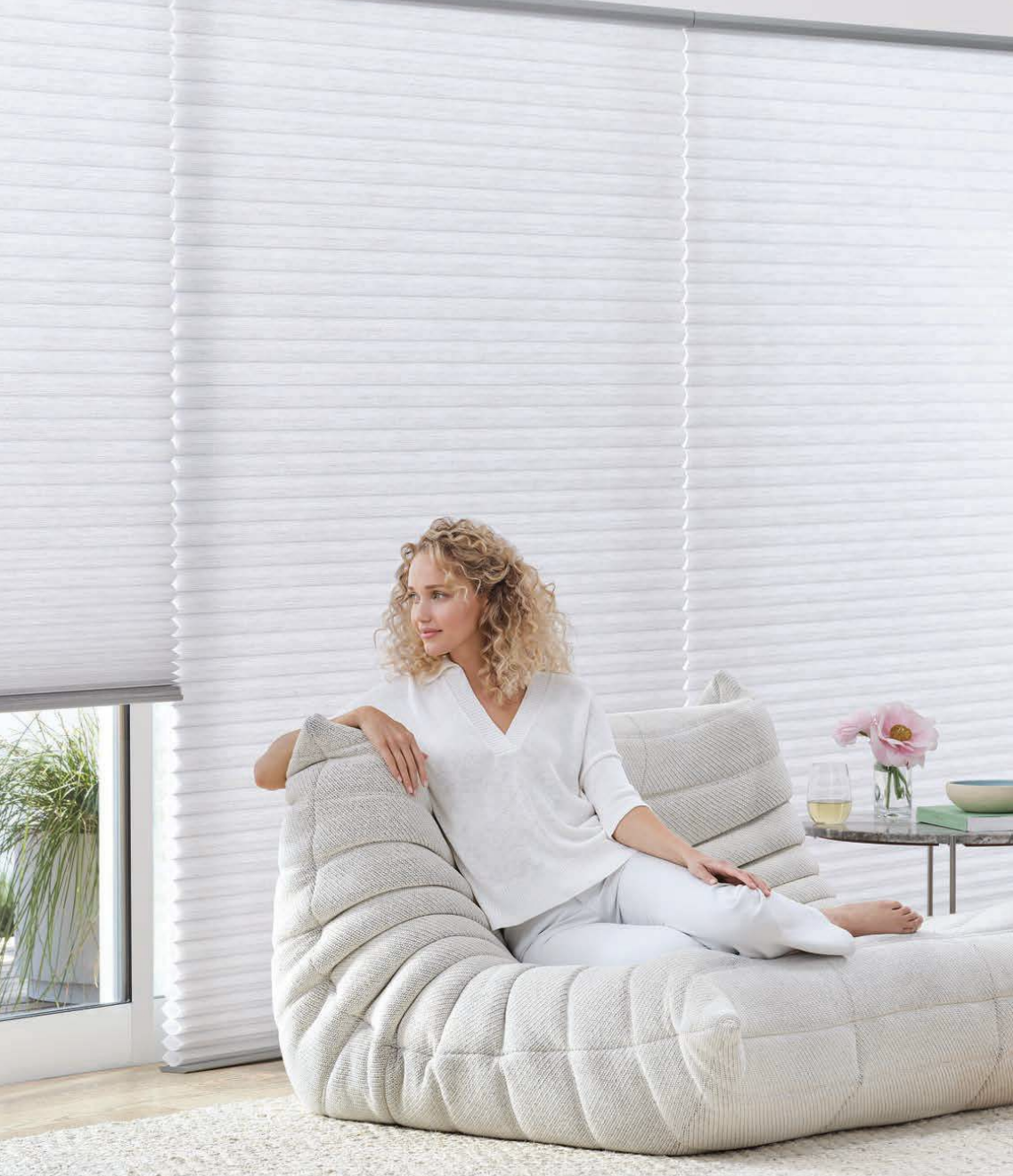
5. Upgrade to Motorized or Cordless Blinds
For persistent issues where traditional mechanisms fail, switching to motorized blinds or cordless blinds can provide a long-term solution Key advantages include:
- Eliminates cord-related slipping and fraying issues.
- Provides smooth, controlled raising and lowering of blinds.
- Reduces strain on brackets and tension mechanisms.
- Enhances safety, especially in homes with children or pets.
Upgrading can prevent recurring blinds sliding down problems and improve the overall longevity and functionality of your window treatments.
Frequently Asked Questions
Q1: Why do my blinds keep sliding down?
Blinds slide down due to weak tension, damaged cords, heavy material, improper installation, or environmental factors.
Q2: How can I stop blinds from falling?
Adjust tension, replace worn cords, tighten brackets, add friction, or consider motorized blinds.
Q3: What are common blinds installation problems?
Brackets not level, loose hardware, or misaligned mounting can cause blinds to slip.
Q4: Can DIY repairs fix blinds that won’t stay up?
Yes, minor cord, tension, or friction issues can be fixed with simple DIY blinds repair.
Q5: How do environmental factors affect blinds?
Temperature, humidity, and sunlight can warp materials, causing blinds to slide or deform.
Conclusion
Blinds that keep sliding down can be frustrating but understanding the root causes from worn tension mechanisms and damaged cords to improper installation and environmental factors makes it easier to address the problem. Simple adjustments, such as a window blinds adjustment, tightening brackets, or minor DIY fixes, can restore proper function and prevent frequent slipping. For persistent issues, upgrading to motorized or cordless blinds ensures smooth operation and long-lasting performance. By identifying the issue early and taking appropriate action, you can enjoy perfectly fitted blinds that won’t stay up improperly, maintain their appearance, and enhance the functionality of your window treatment.